

Workflow Automation
Embracing Workflow Automation: A Path to Enhanced Efficiency
In today’s fast-paced business environment, companies are constantly under pressure to innovate and deliver products faster than ever before. The ability to streamline processes, reduce manual effort, and minimize errors has made workflow automation a vital strategy across various industries. As organizations seek to improve their operations, understanding the multifaceted benefits of workflow automation, particularly through an AI-based no-code integration platform, becomes essential for staying competitive.
Understanding Workflow Automation
Workflow automation involves using technology to automate tasks and processes, enabling organizations to optimize their operations. By eliminating manual processes and automating repetitive tasks, businesses can achieve significant efficiency gains. From manufacturing to finance, workflow automation can be applied across various sectors, making it a versatile tool for enhancing productivity.
A New Lens on Workflow Automation
To understand the transformative potential of workflow automation, let’s explore its impact through various real-world use cases. This perspective will highlight the benefits of adopting an AI-driven no-code platform, which can significantly outperform traditional coded solutions.
Use Case 1: Streamlining Customer Support in E-commerce
Imagine an e-commerce company that receives thousands of customer inquiries daily. The existing process involves customer service representatives manually responding to emails, tracking requests on spreadsheets, and escalating issues to technical teams when necessary. This old-fashioned method leads to delays, miscommunication, and customer dissatisfaction.
By adopting a workflow automation platform, the e-commerce company can create an intelligent system that automatically categorizes inquiries based on keywords using Natural Language Processing (NLP). For instance, common queries about order tracking can be automated to respond instantly with real-time updates. Complex inquiries that require human intervention can be seamlessly escalated to the right department with relevant customer information attached.
This transformation not only speeds up response times but also enhances customer satisfaction, leading to higher retention rates and increased sales. Moreover, customer support staff are freed from mundane tasks, allowing them to focus on complex cases, fostering a higher level of engagement and satisfaction in their roles.
Use Case 2: Optimizing Human Resources for Onboarding
Onboarding new employees can be a time-consuming process fraught with paperwork and manual follow-ups. A mid-sized tech startup was struggling with onboarding due to its reliance on email exchanges and shared documents for new hires. This led to delays in training and miscommunication regarding essential compliance documents.
Implementing a no-code workflow automation platform allowed the HR team to design a streamlined onboarding process quickly. Now, when a new hire signs their offer letter, an automated workflow is triggered, which sends out welcome emails with access to necessary resources, schedules onboarding meetings, and collects required documents via a user-friendly portal.
Additionally, the platform can send reminders to both HR and the new hire about upcoming training sessions, ensuring that nothing falls through the cracks. This not only shortens the onboarding time but also improves the new hire’s experience, allowing them to become productive contributors more rapidly.
Use Case 3: Enhancing Project Management Practices
Consider a marketing team that manages multiple campaigns simultaneously. Traditionally, they relied on back-and-forth email chains and manual project tracking in spreadsheets, leading to confusion about deadlines and responsibilities.
By integrating an AI-based workflow automation platform, the team can use customizable templates to initiate projects. Tasks can be assigned automatically based on team members’ workloads, deadlines can be dynamically adjusted, and progress can be monitored in real time. Moreover, the platform can generate reports, analyzing project performance against KPIs and providing insights for future campaigns.
These capabilities allow teams to respond to challenges swiftly and embrace agile methodologies. The result is a smoother project flow, increased accountability, and better overall project outcomes.
Advantages of AI-Based No-Code Platforms
-
Accessibility for Non-Technical Users: One of the most significant advantages of an AI-based no-code iPaaS platform is that it democratizes workflow automation. Business users, who may not have coding experience, can create and manage workflows, facilitating innovation from all areas of the organization.
-
Faster Implementation: Without the need for coding, organizations can implement new workflows rapidly. This speed allows companies to adapt their processes quickly in response to changing market demands and internal needs.
-
Reduced Errors: Automating workflows minimizes the chances of human error, particularly in data entry and process execution. This assurance leads to improved accuracy and quality in outputs.
-
Scalability: As organizations grow, their workflows can become increasingly complex. No-code automation solutions allow businesses to scale their operations effortlessly, as adding new processes or users does not require extensive IT intervention.
Challenges to Consider
While the benefits are compelling, there are challenges that organizations may encounter when implementing workflow automation:
-
Initial Resistance: Employees comfortable with existing processes may resist transitioning to automated solutions. Proper change management and training can mitigate this challenge, encouraging user buy-in.
-
Integration with Legacy Systems: Many organizations have established systems in place that may not seamlessly integrate with new automation platforms. Ensuring compatibility requires careful planning and may require additional resources.
-
Over-Automation Risks: There can be a temptation to automate every process, which may lead to an overly rigid workflow that stifles creativity and flexibility. Organizations should carefully evaluate which processes are best suited for automation.
Conclusion: A New Era of Workflow Automation
As businesses strive for efficiency and responsiveness, workflow automation stands out as a crucial capability. The integration of AI in no-code platforms not only accelerates implementations but also empowers every employee to innovate and improve processes without relying on technical expertise. This significant shift toward user-friendly automation tools enables quicker adaptation to market changes and enhances organizational agility.
Adopting an AI-first approach to integration and automation can revolutionize how organizations operate, ultimately leading to increased efficiency, productivity, and customer satisfaction.
Questions & Answers
1. How can I measure the effectiveness of my workflow automation?
To gauge the effectiveness, track key performance indicators (KPIs) before and after implementation, such as response times, error rates, and overall productivity improvements. Regularly solicit feedback from users to identify areas for further enhancement.
2. What types of processes should I prioritize for automation?
Start by identifying repetitive, time-consuming tasks that involve a lot of manual input or coordination. Processes that have clear outcomes and require minimal human judgment are often ideal candidates for automation.
3. How does a no-code platform benefit my team compared to traditional coding solutions?
A no-code platform allows team members to automate workflows without requiring programming skills. This accessibility leads to faster implementations, more innovative solutions, and reduces reliance on IT for every change or addition.
4. Can I integrate workflow automation with existing tools?
Yes, most modern no-code platforms support integration with a wide range of existing tools. This flexibility ensures that you can continue using your favorite applications while enhancing them with workflow automation.
5. What role does AI play in optimizing workflows?
AI enhances workflow automation by analyzing data patterns, predicting outcomes, and making recommendations that can improve decision-making processes. This capability allows organizations to optimize their workflows continually and adapt to new challenges.
By understanding the transformative potential of workflow automation, organizations can embark on a journey to streamline operations and foster a culture of innovation—ultimately leading to success in an ever-competitive landscape.
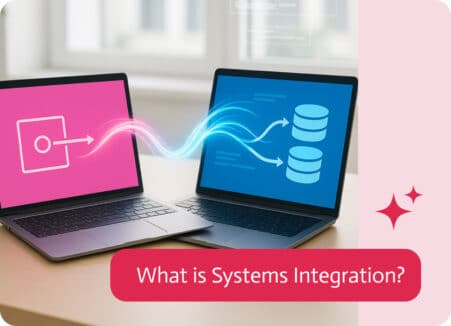
So here’s what systems integration is in a nutshell. Think of it as magical duct tape, a translator, and diplomat all rolled into one tool….

Comparing ChatGPT, Claude and Grok as interfaces for business automation through MCP: what matters, what is the same and how to choose.
Just for Reading Customer Feedback The Feedback Submissions API is your window into all the data collected from your HubSpot surveys, including NPS, CSAT, and…