


Electronic Signatures in Salesforce: How They Fit Into Business Workflows
Electronic signatures in Salesforce help businesses move documents, approvals, and agreements forward without relying on manual printing, signing, and scanning.
They are commonly used for contracts, proposals, onboarding documents, approvals, service agreements, and other processes where a signature is part of a Salesforce-driven workflow.
How Electronic Signatures Work with Salesforce
Salesforce itself is often the system where customer, account, opportunity, or case data is managed.
An electronic signature process typically connects that Salesforce data to a document or signing workflow.
For example, a business may:
- Generate a contract using Salesforce data
- Send it to the correct customer or partner
- Collect an electronic signature
- Update the Salesforce record after signing
- Store the completed document
- Trigger the next business step automatically
This helps keep the signing process connected to the record that started it.
Why Electronic Signatures Matter in Salesforce Processes
When signatures are handled outside the CRM, teams often need to move between systems and update records manually.
That can create delays and inconsistencies.
Connecting electronic signatures to Salesforce can help:
- Reduce manual document handling
- Speed up approvals and agreements
- Keep signing status connected to CRM records
- Reduce duplicate data entry
- Trigger follow-up actions automatically
- Improve visibility into where a document is in the process
Noca AI and Electronic Signatures in Salesforce
Noca AI can help connect Salesforce data with broader document and workflow automation.
Instead of treating the signature as a separate action, Noca AI can use Salesforce information to generate documents, route them through the required process, and continue the workflow once the document is completed.
For example, Noca AI can help:
- Read customer or opportunity data from Salesforce
- Generate documents from approved templates
- Route documents to the correct signer
- Trigger actions before or after signing
- Update Salesforce records
- Store completed documents
- Connect the process to ERP, HR, finance, or other systems
This makes electronic signatures in Salesforce part of a larger end-to-end business process.
Example: Sales Contract from an Opportunity
Imagine a sales team closes an opportunity and needs to send a customer contract.
The contract can be generated using information already stored in Salesforce, such as the customer name, products, pricing, and account details.
The document is then routed to the customer for signature.
After the electronic signature is completed, the workflow can automatically update the opportunity, store the signed contract, notify the relevant team, and trigger the next operational steps.
Common Use Cases
Electronic signatures in Salesforce are often used for:
- Sales contracts
- Quotes and proposals
- Customer onboarding
- Partner agreements
- Service agreements
- Internal approvals
- Employment or contractor documents
- Renewal processes
Frequently Asked Questions
Can Salesforce handle electronic signatures directly?
Electronic signature processes are usually handled through connected signing or document solutions that work with Salesforce data and workflows.
Can signed documents be connected back to Salesforce?
Yes. A completed document can be stored or linked to the relevant Salesforce record, depending on the workflow and integration being used.
Can a Salesforce record trigger a signing process?
Yes. Events such as an opportunity reaching a certain stage, a record being approved, or a user action can be used to start a document and signature workflow.
Summary
Electronic signatures in Salesforce help connect agreements and approvals directly to the CRM processes that drive them.
With Noca AI, those signatures can become part of a wider automated workflow that includes document generation, Salesforce data, record updates, storage, and actions across other business systems.
Zapier is a cloud-based integration platform that connects your preferred tools effortlessly. This no-code solution simplifies your DevOps processes. Zapier DevOps Integration makes your life…
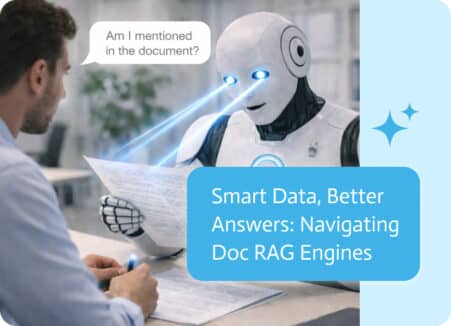
In the world of AI, having the right information at the right time is everything. This capability is Doc RAG (Retrieval-Augmented Generation)—the technology that allows…
Introduction Hello, finance professionals! Are you overwhelmed by the multitude of tools you use daily? Imagine having a single platform that seamlessly integrates them all,…